Intro
The landscape of entrepreneurship has shifted dramatically. Gone are the days when starting a retail business required a brick-and-mortar lease, five-figure inventory loans, and a staff of employees. In 2025, the barrier to entry has never been lower, yet the potential for profit has rarely been higher. Welcome to the era of the one-person reseller business—a model where a single individual, armed with a smartphone and a vehicle, can build a serious income stream by tapping into the massive ecosystem of retail liquidation.
If you have ever walked past a "Bin Store" or seen ads for "Amazon Return Pallets" and wondered if there is real money to be made, the answer is a resounding yes. But it requires more than just luck; it requires a strategy. This guide is designed to walk a solo seller from zero to a functioning resale operation. We aren't talking about opening a store; we are talking about building a lean, mean, flipping machine using liquidation inventory sourced directly through our directory.
Whether you are looking to escape the 9-to-5 grind or simply want a side hustle that actually pays the bills, this is your roadmap to turning excess inventory into essential income.
1. Why Reselling with Liquidation Inventory Is a 2025 Opportunity
To understand why this opportunity exists, you have to look at the macroeconomic trends driving retail. We are currently witnessing a golden age of "recommerce"—the selling of previously owned, new, or excess goods. The U.S. recommerce industry is not just a fleeting trend; it is a booming sector projected to reach approximately $306.5 billion by 2030. By that time, it is estimated that nearly 8% of total retail spending will come from resale. This shift proves that buying second-hand or open-box items is becoming mainstream behavior, moving far beyond a niche activity for bargain hunters. (Source: OfferUp Recommerce Report 2025)
But where is all this inventory coming from? The answer lies in the massive logistics challenge facing major retailers.
In 2023 alone, U.S. retail returns totaled around $743 billion, and forecasts suggest returns will hit roughly $890 billion in 2024 (representing approximately 16.9% of all retail sales). That number is staggering, but it is only going up. A significant driver of this is e-commerce; online purchases are returned at nearly three times the rate of in-store purchases. When a customer returns a blender because they didn't like the color, or a jacket because it didn't fit, big retailers often cannot justify the cost of inspecting, repackaging, and restocking it. Instead, these goods enter the liquidation stream. (Source: Synctrack Ecommerce Return Rates 2025 Data)
This massive, continuous flow of returns is what feeds liquidation warehouses, bin stores, and pallet sellers. For the one-person reseller, this is an unlimited supply chain. You are effectively partnering with the largest retailers in the world to solve their "reverse logistics" problem, and in exchange, you get access to inventory at pennies on the dollar.
2. Defining Your Business as an Individual Reseller
Before you buy your first item, you need to define what you are building. This article focuses on the one-person entity. You might be a sole proprietor or operating as a single-member LLC. The goal here is not to become a warehouse manager with a payroll; it is to remain agile, keeping your overhead low and your profit margins high.
As an individual reseller, your business model is simple but powerful:
- Source deeply discounted goods from liquidation channels.
- Process them (inspect, photograph, list).
- Sell them online or through local channels for a profit.
It is important to treat this as a business from Day One, not just a hobby. This means separating your finances, tracking your mileage, and understanding your tax obligations. For a deep dive into the legal and administrative side of things—like registering your business name or getting a resale certificate—refer to our guide: "10 Steps to Starting Your Reseller Business." (Source: findaliquidationstore.com)
Your advantage as a solo operator is speed and selectivity. You don't need to fill a 10,000-square-foot store. You only need to find enough profitable items to meet your personal income goals. You can pick the best items from a bin, buy a manageable pallet, and pivot instantly if a certain category stops selling.
3. Where to Source: Liquidation, Bin, and Pallet Stores
The old adage in retail is that "money is made when you buy, not when you sell." This is doubly true for reselling. If you pay too much for inventory, no amount of marketing wizardry will save your margins. This is where findaliquidationstore.com becomes your most valuable asset.
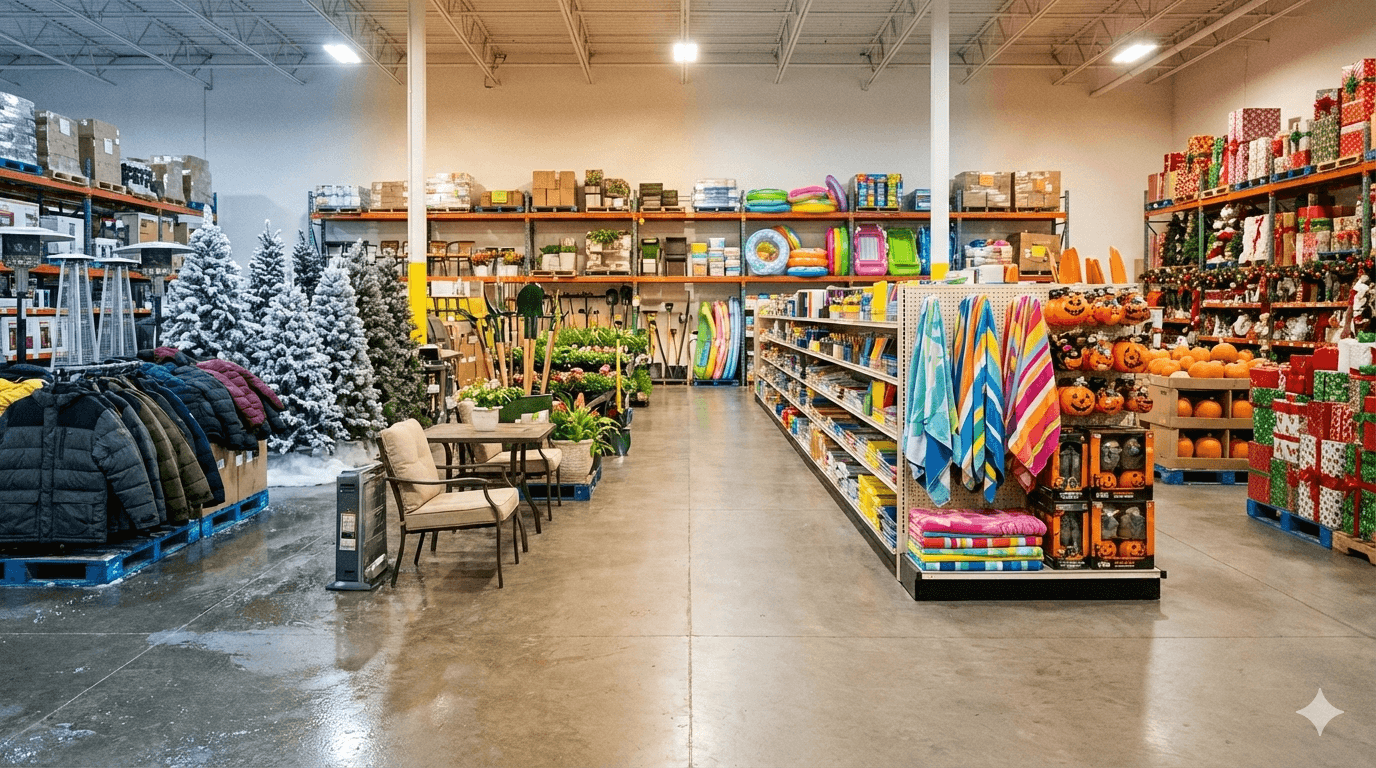
Our directory lists over 1,200 liquidation and bin stores across the United States. These aren't your typical thrift stores. These are specialized outlets that purchase truckloads of returns and overstock directly from major retailers like Amazon, Target, Walmart, and Home Depot.
Understanding the Sources
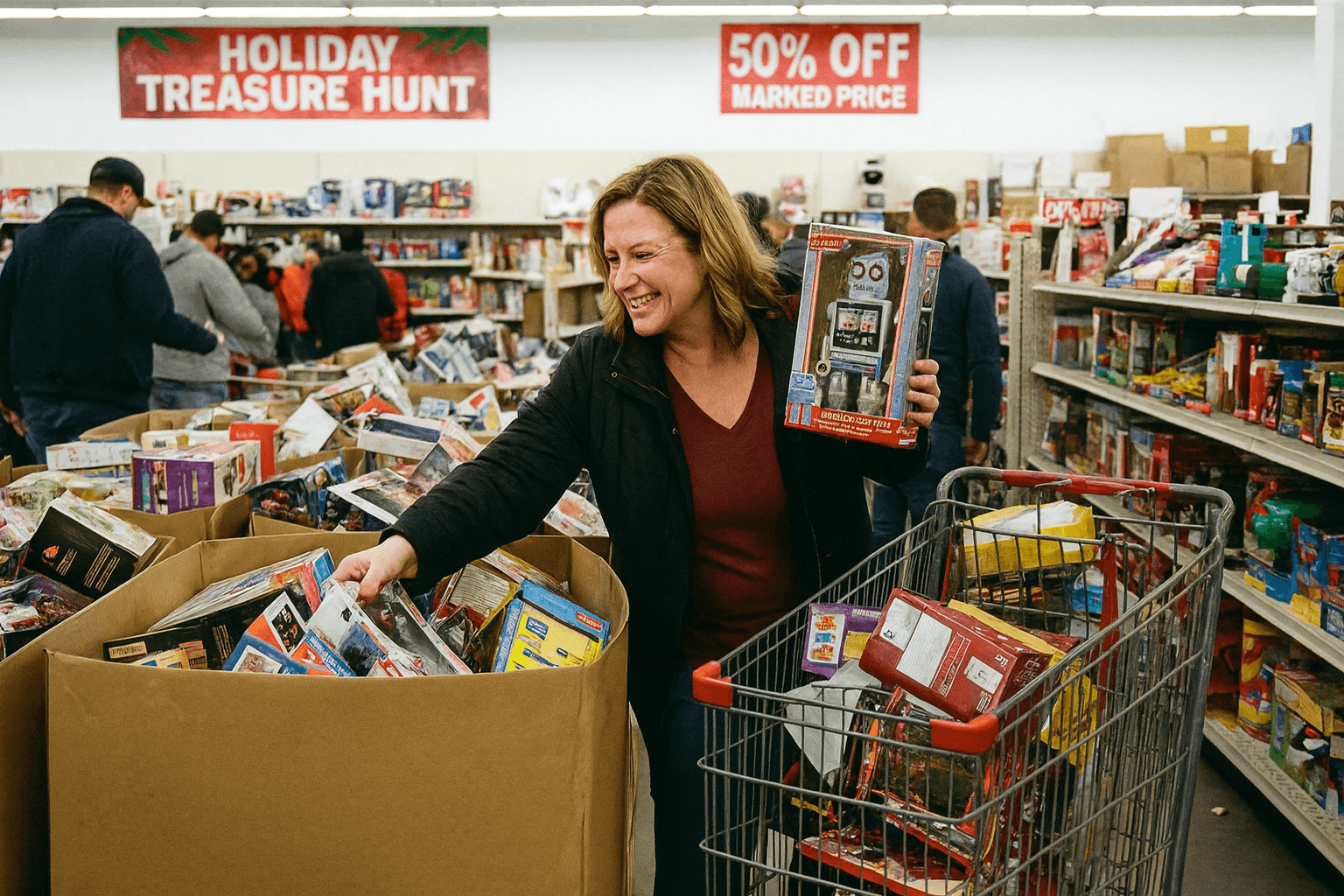
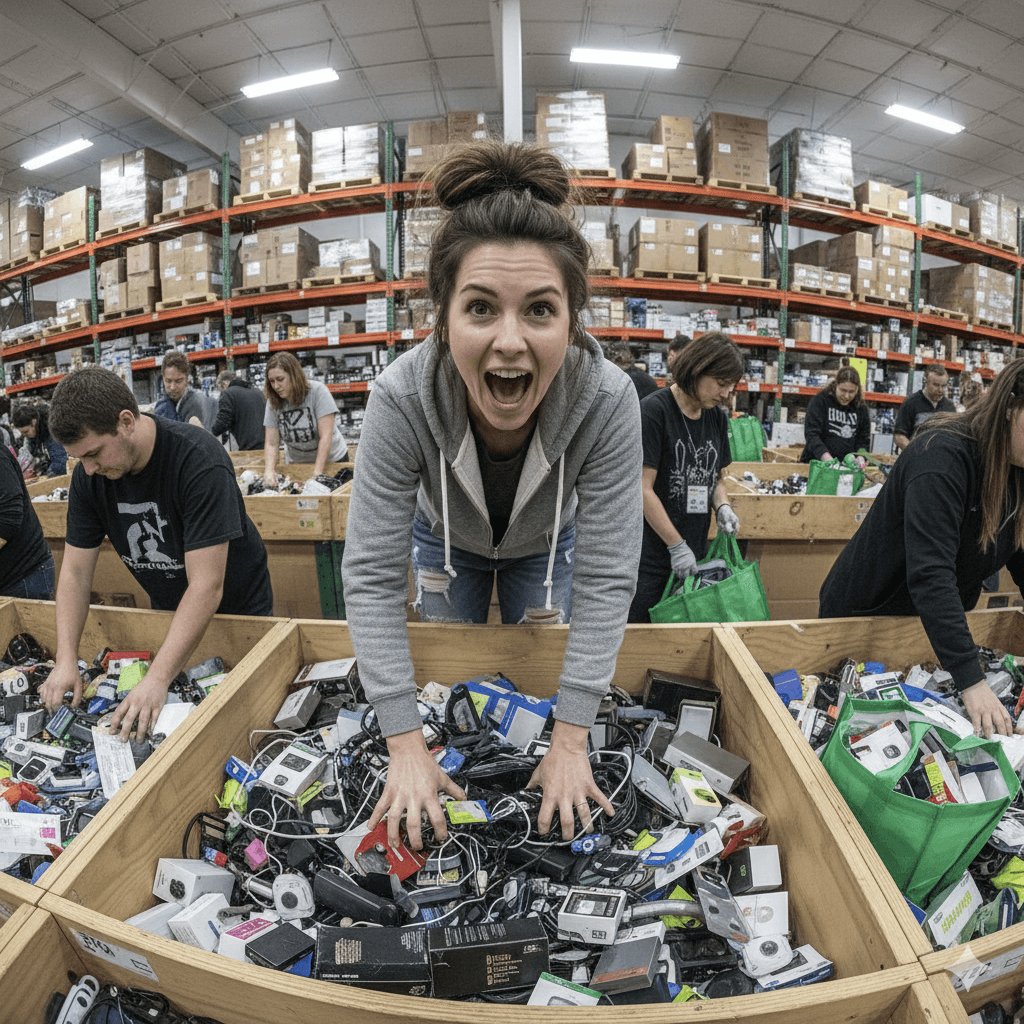
- Bin Stores: These stores typically operate on a falling price model. These are goldmines for high-volume, lower-cost items like electronics accessories, small home goods, and toys. You can find brand-name products here at 30–70% off typical retail prices, sometimes even 90% off if you dig deep enough. (Source: Buylow Warehouse)
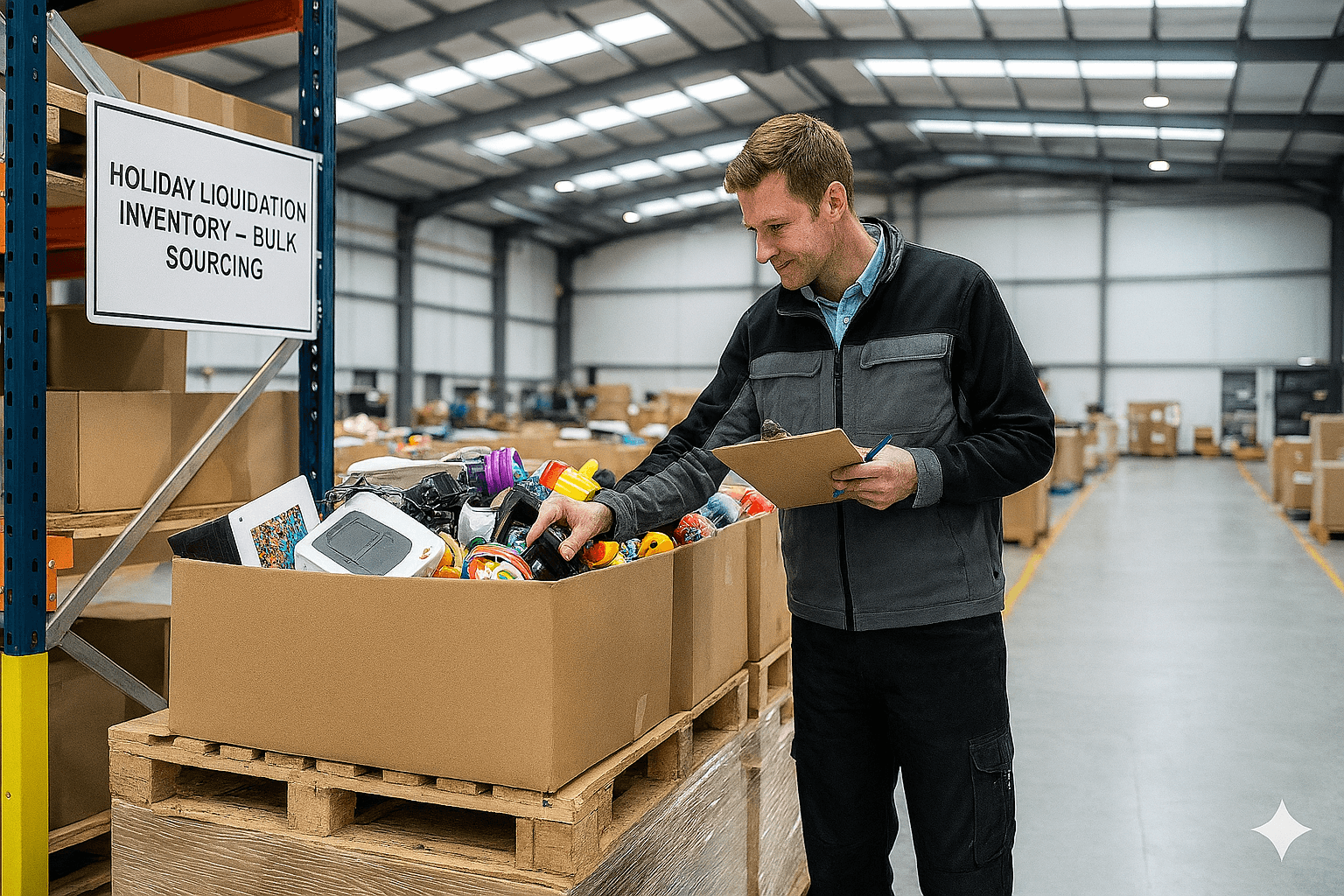
- Liquidation Warehouses & Pallet Sellers: If you are ready to buy in bulk, these locations sell entire pallets of goods. A standard general merchandise pallet might cost between $300 to $1,500.
- Discount Warehouses: These are often retail-facing stores that sell larger items—furniture, appliances, exercise equipment—at fixed discount prices.
The Reality of Liquidation Inventory
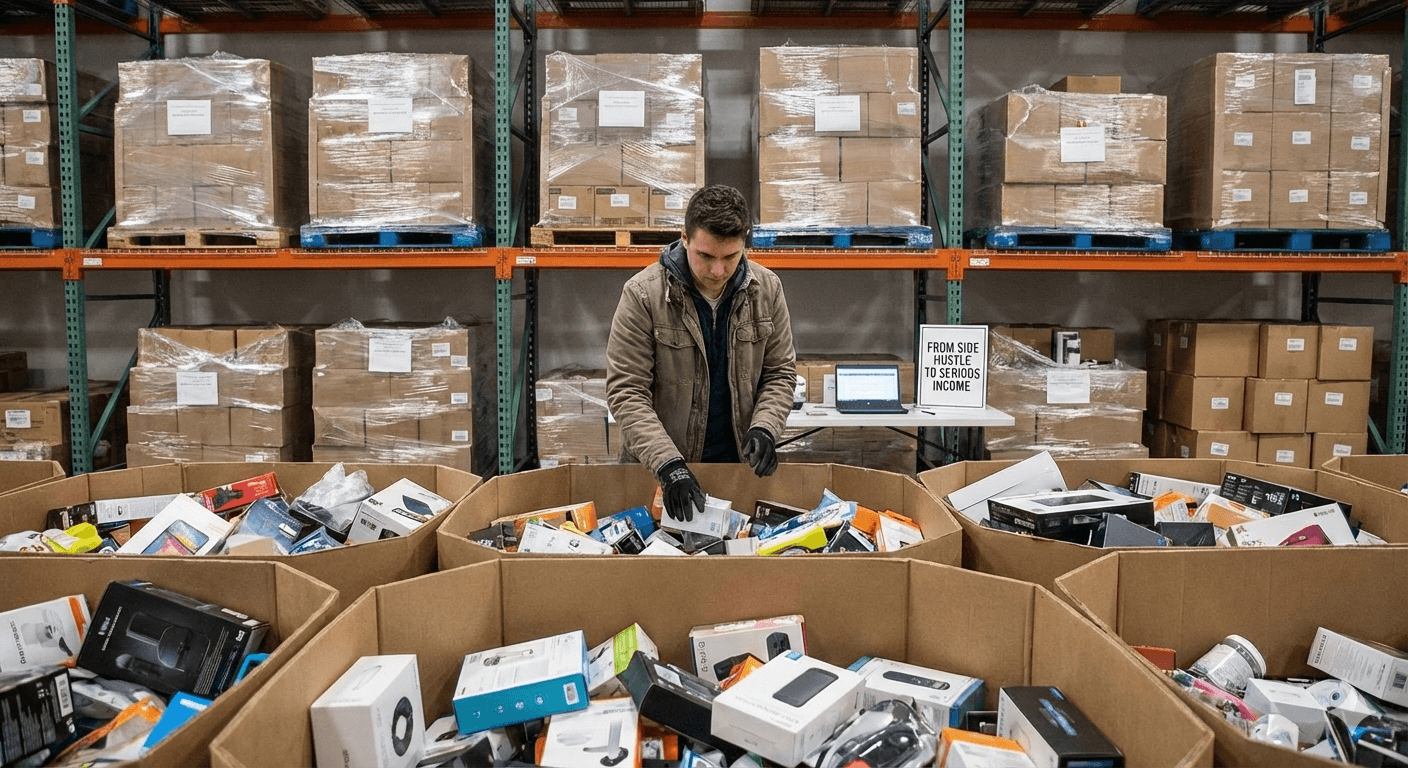
It is crucial to have realistic expectations. When you buy a liquidation pallet, you are not buying a shipment of pristine, factory-sealed goods. The industry standard is that liquidation pallets often contain 70% or more functional products. The remaining 30% might be damaged packaging, missing parts, or items that need minor repair.
However, the math still works in your favor. Because you are buying at such a steep discount, your average margins can hover around 30–40% per sale—and that’s accounting for the "duds." Successful resellers view the damaged items not as a loss, but as the cost of doing business, similar to how a restaurant accounts for food waste. (Source: ZIK Analytics / BeBold Digital)
4. Choosing Your First Reselling Channel
Once you have secured the goods, you need a place to sell them. As a one-person show, you cannot be everywhere at once. You need to pick the channel that fits your inventory and your lifestyle.
In our “Beyond Amazon” article (see Resources), we explore the pros and cons of various platforms in depth. For the purpose of getting started with liquidation specifically, here is how you should match your goods to the marketplace:
Big Marketplaces (eBay)
- Best for: Electronics, parts, unique collectibles, and "long-tail" items. Electronics and branded home goods from liquidation pallets often resell well here.
- Why: eBay has the largest audience for used and open-box goods.
Local Marketplaces (Facebook Marketplace, OfferUp, Craigslist)
- Best for: Large/heavy items (furniture, appliances), low-value bulk items, and "impulse buy" goods. Local marketplaces are excellent for eliminating shipping costs on heavy items.
- Why: Shipping a mini-fridge or a set of patio chairs is a nightmare for a solo seller.
Niche Marketplaces (Poshmark, Mercari, Depop)
- Best for: Apparel, shoes, vintage items, and small home décor. Small home items can perform well on platforms like Mercari.
- Why: These platforms are designed for visual browsing and have built-in audiences looking specifically for fashion and small, shippable goods.
5. Running the Numbers on Your First Deals
Reselling is a numbers game. It is easy to get excited by the potential value of an item, but you can only pay bills with profit. Let’s break down the economics so you can enter this business with your eyes open.
Industry sources indicate that resellers working with big retail pallets should target roughly 30–40% profit margins on individual items, assuming around 60–80% of the pallet contents are usable and the rest are scrap, parts, or low-value items. (Source: StoresAutomation)
The Math of a Pallet
Let’s imagine you buy a standard "Amazon High Count" pallet for $600.
- Item Count: The pallet contains 100 items.
- Cost Per Item: Your average cost is $6.00 per item.
- Condition Rate:
- 60% (60 items) are New/Like New.
- 20% (20 items) are Used/Good (salable).
- 20% (20 items) are Broken/Trash.
You effectively have 80 sellable items. Your adjusted cost per sellable item is now $7.50 ($600 / 80).
If you sell those 80 items for an average of $20 each:
- Total Revenue: $1,600
- Platform Fees (approx. 15%): -$240
- Shipping Supplies/Overhead: -$100
- Initial Cost of Pallet: -$600
- Net Profit: $660
In this scenario, you have more than doubled your money. This is a realistic, conservative example. Some pallets will be home runs; others will be singles.
A Framework for the New Solo Reseller
Do not drop $5,000 on a truckload for your first purchase. Follow this "Stair-Step" approach:
- The "Toe Dip" (Weeks 1-4):
- Source: Local Bin Stores.
- Budget: Cap your spend at $100–$200 per week.
- Goal: Learn to spot value and track average revenue per item.
- Metric: Track your "junk rate."
- The "Pallet Test" (Month 2):
- Source: A local liquidation warehouse found in the directory.
- Budget: $500–$800 for one mixed-category pallet.
- Goal: Experience the processing workflow.
- Metric: Calculate your average hourly wage. (Total Profit / Hours Spent Sourcing & Listing).
- The Scale-Up (Month 3+):
Reinvest profits into larger, more manifest-specific pallets (e.g., tools or electronics) where margins are higher, scaling up only after building a reliable process. (Source: ProjectionHub)
6. A One-Person Weekly Workflow
The biggest trap for new entrepreneurs is burnout. Processing inventory is labor-intensive. To survive as a one-person business, you need a rigid schedule. You cannot source every day, or you will end up with a "death pile" of unlisted inventory that ties up your cash.
Here is a practical schedule for a reseller who might also be juggling another job or family commitments:
- Monday: Sourcing & Scouting
- Use the findaliquidationstore.com directory.
- Use the "Browse by State" and city features to map an efficient sourcing route within a 30–60 minute drive.
- Visit stores and buy your inventory for the week.
- Tuesday: Processing & Testing
- Unpack everything. Test electronics. Clean and inspect goods.
- Sort into three piles: "Ready to List," "Needs Repair," and "Trash/Donate."
- Wednesday: Photography & Drafting
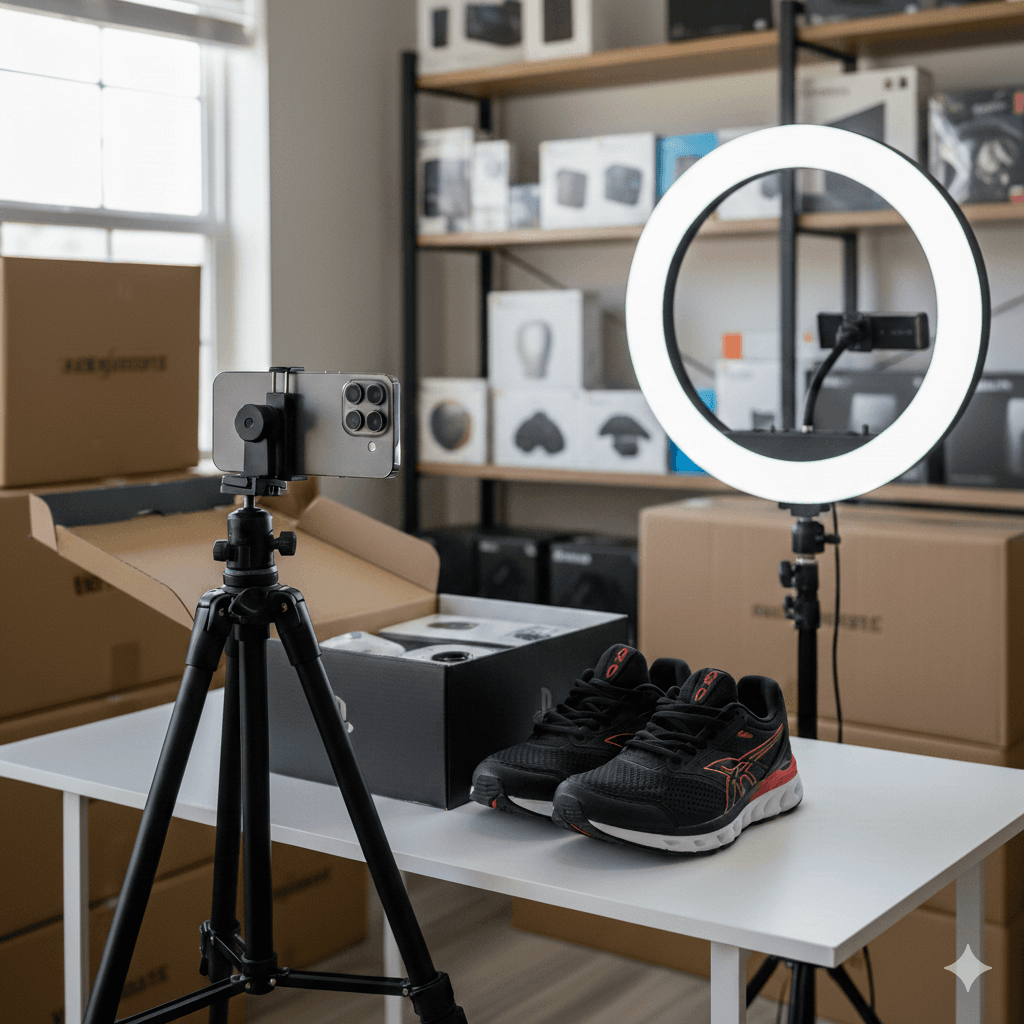
- Batch your work. Take photos of everything at once.
- Create the draft listings on your chosen platform.
- Thursday & Friday: Listing & Shipping
- Publish listings throughout the day.
- Pack and ship items that sold.
- Saturday: The "Bin Run" (Optional)
- Hit the bins early if you need more stock, or use this day for administrative tasks.
- Sunday: Rest
- Burnout kills businesses. Take a day off.
7. Real-World Examples of Individual Resellers
You are not reinventing the wheel. Thousands of people are doing this right now.
Consider the story of "Sarah," who started by visiting a bin store, buying $3 items, and bundling them on Mercari. Her initial investment was $50. She then moved to a bedding pallet for $350, finding high-end organic cotton sheets that sold for $40–$60 each on eBay, generating $2,200 in revenue from that single purchase. Today, she buys two pallets a month, netting an extra $2,500 monthly profit. (Based on common scaling patterns documented by ProjectionHub)
Or consider "Mike," who focuses on tools. He scours liquidation stores for returned power tools. He learned how to fix common issues, buying "broken" returns for $10–$20, invests 30 minutes in repairs, and sells them locally for $80. He is a one-man refurbishment factory, and his entire supply chain is built on local liquidation finds. (Examples of this approach are featured in liquidation-focused guides like BeBold Digital's.)
These examples share a common thread: they started small, they used data to make decisions, and they treated their sourcing like a job, scaling up only after building a reliable process.
8. Using Your Directory as a Core Tool
Success in this business depends on access. If you don't know where the inventory is, you can't buy it. This is why integrating findaliquidationstore.com into your Standard Operating Procedure (SOP) is essential.
Don't just look at the map once. The liquidation industry is volatile; stores open, close, and move frequently.
- Scout Monthly: Check the directory for your state once a month to see if new bin stores or pallet warehouses have opened near you.
- Filter for Needs: Use the category tags. If you decide to pivot to clothing, look specifically for stores tagged with "Apparel" or "Target Returns."
- Verify: Before you drive an hour, click through to the store’s social media or website (linked in our directory) to confirm their hours. Read reviews to see if other resellers mention "high prices" or "great deals."
Ready to Start?
The opportunity to build a serious income from the $300 billion recommerce market is sitting in a warehouse near you right now. You don't need a loan, a staff, or a storefront. You just need the drive to do the work and the right map to find the goods.
Ready to Find Your Local Liquidation Store?
Browse thousands of liquidation and bin stores across the United States. Find deals near you today!
Resources & Data Sources
- OfferUp Recommerce Report 2025: Data on U.S. recommerce market size projection (~$306.5B by 2030).
- Synctrack “Ecommerce Return Rates 2025 Data: Guide by Category & Country”: Data on total U.S. retail returns (~$743B in 2023 and ~$890B in 2024).
- findaliquidationstore.com: Main directory, state/city browse features, "Reseller Resources," "Starting a Business," and "10 Steps to Starting Your Reseller Business" articles.
- ZIK Analytics “Flipping Liquidation Pallets for Profit”: Guidance on typical pallet margin expectations (30–40% target profit).
- StoresAutomation “Walmart Liquidation Pallets (How to Make Money Guide 2025)”: Real-world examples of pallet pricing and merchandise outcomes.
- BeBold Digital “Where Smart Resellers Buy Electronic Liquidation Pallets in 2025”: Discussion of electronics-focused sourcing and margin.
- Buylow Warehouse “Why Wholesale Liquidation Pallets Are a Game‑Changer for Resellers”: Examples of deep bulk discounts.
- ProjectionHub / Liquidation Business Guides: Benchmarks and patterns for scaling liquidation-based operations.